
Understanding Ferguson Zones

Thomas Merckx
The Ferguson Zones were developed in 2010 by Professor Gary Ferguson of the Texas Christian University. Ferguson and his team of herpetologists gathered data of the daily UV exposure of 15 species of reptiles. In the publication that followed, these 15 species were divided into four groups according to their thermoregulatory behaviour (daily sun exposure) and microhabitat preferences: the “Ferguson Zones”. The corresponding UV guidelines were based on the average irradiance of randomly encountered wild specimens: Zone 1 with the least, to Zone 4 with the highest exposure.
The British and Irish Association of Zoos and Aquaria (BIAZA) built on Dr Ferguson’s research to allocate Ferguson Zones to hundreds of species species of reptiles and amphibians. With the help of 14 zoological organisations, specialist reptile keepers and private herpetologists, a total of 254 species were grouped into the 4 Ferguson zones.
A summary of the 4 zones, their corresponding UVI gradient and for each zone a few examples of commonly kept species:
Zone 1 = Crepuscular or shade dweller, thermal conformer
- Average exposure: UVI 0-0.7; maximum recorded: UVI 0.6-1.4
- Animals that avoid direct sunlight e.g. Crested Gecko, Leopard Gecko, Burmese Python, Milk Snake
- Average exposure: UVI 0.7-1.0; maximum recorded: UVI 1.1-3.0
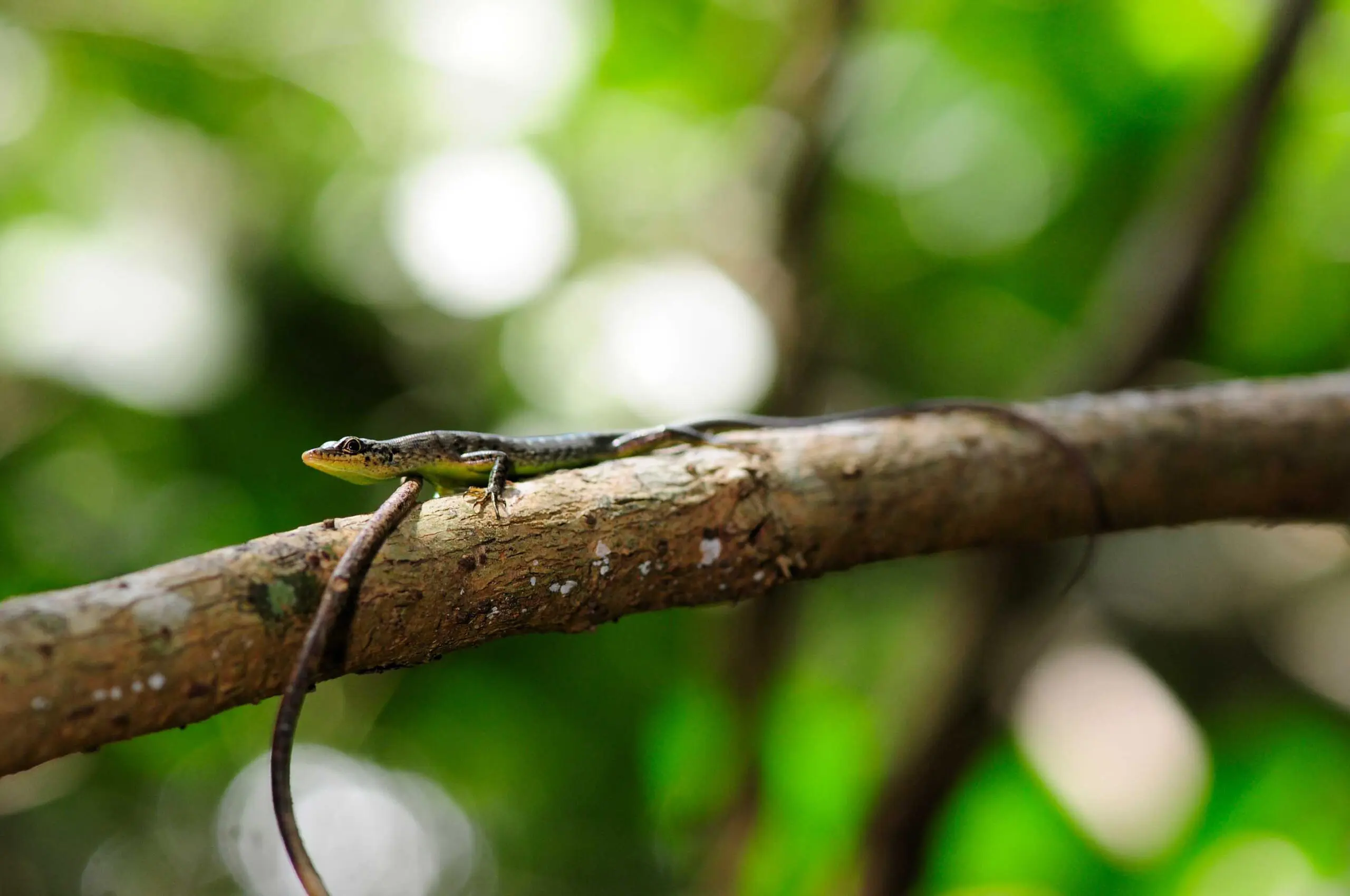
- Occasional basking for short periods of time (Green Anole, Boa Constrictor, Ornate Box Turtle, Australian Water Dragon)
- Average exposure: UVI 1.0-2.6; maximum recorded: UVI 2.9-7.4
- Basking in full sunlight in the morning or early afternoon, or during mid-day when it’s partially clouded (Frilled Lizard, Yemen Chameleon, Standing’s Day Gecko, Leopard Tortoise)
- Average exposure: UVI 2.6-3.5; maximum recorded: UVI 4.5-9.5
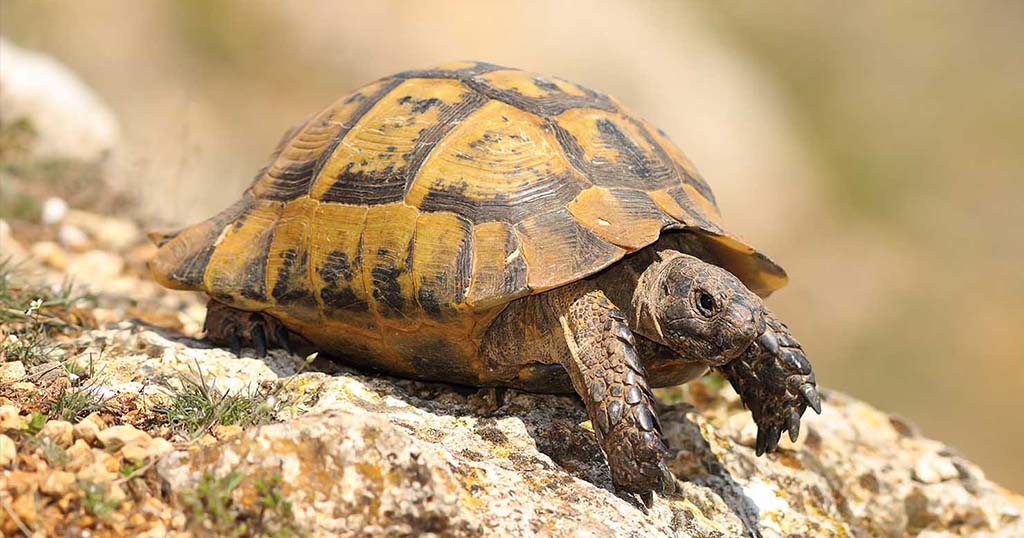
- Basking in full sunlight, possibly at any time of the day (Chuckwalla, Uromastyx, Rhinoceros Iguana, Marginated Tortoise)
(Ferguson et al. (2010), Baines et al. (2016))
Based on basking behavior, the 4 Ferguson zones and the species researched, it is possible to provide appropriate UVB lighting for any species inside the terrarium. Appropriate lighting is a combination of fixture choice, bulb choice and basking distance, as all of these elements will influence UVB exposure.
Thomas Merckx
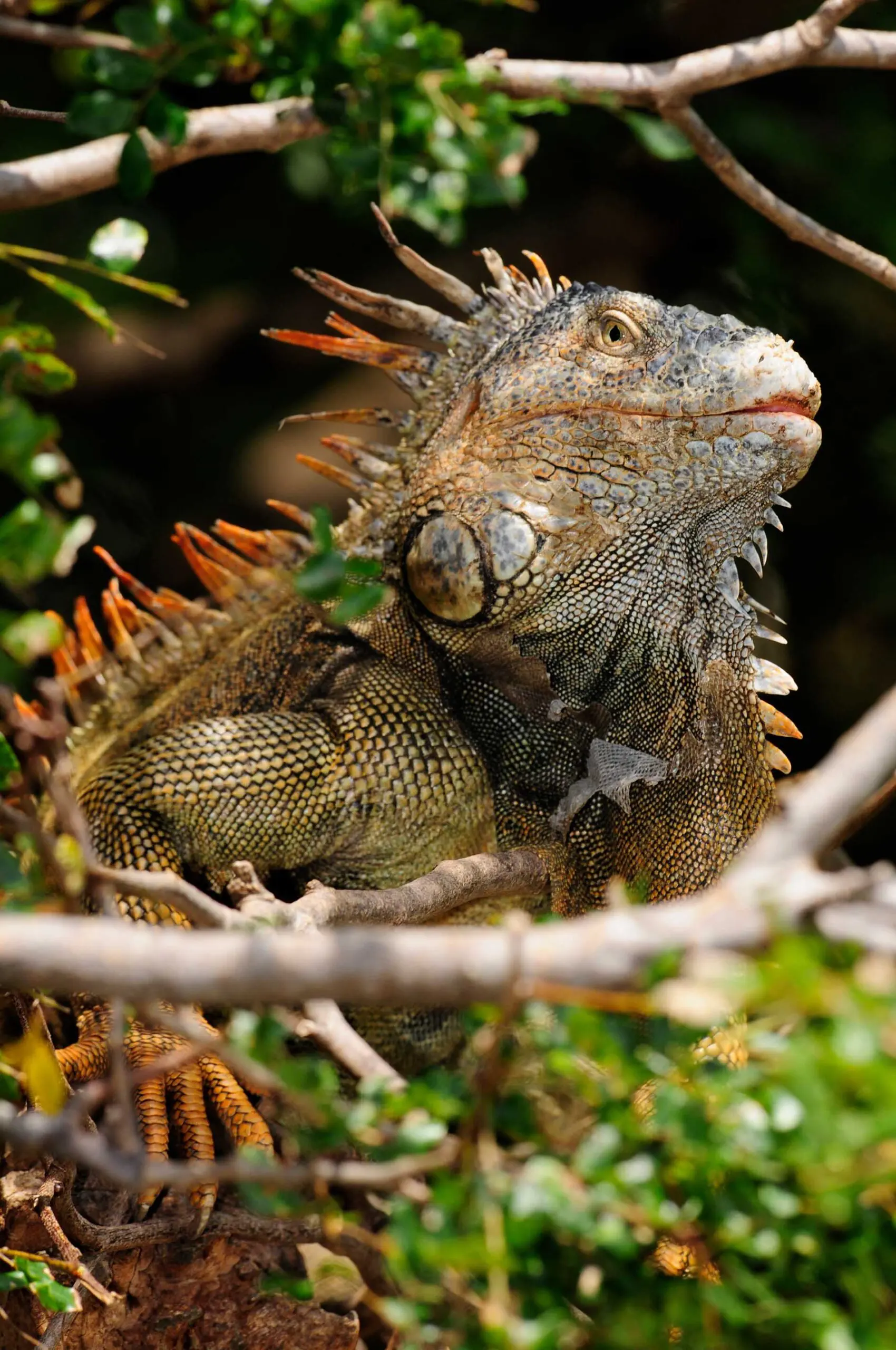
The Green Iguana (Iguana iguana) is considered to be an open or partial sun basker (Ferguson Zone 3) - Exo Terra Honduras expedition.
Lighting Topics
A Beacon of Life
Sunlight arrives at the top of the earth’s atmosphere at a power level of about one kilowatt per square meter. It is by this energy that all life-processes on earth are ultimately driven. Without the sun’s constant energy input our planet would quickly radiate away its own energy in short order, making all life extinct.

Comprehensive UV Index Table
Reptiles and amphibians inhabit a diverse range of environments, each presenting unique challenges and opportunities for exposure to sunlight. This variation in sunlight exposure is critical for their thermoregulation, natural activities, and especially for many of their physiological and biological processes, including the synthesis of vitamin D3, calcium metabolism, boosting the immune system, and promoting a healthy appetite and digestion.

Improving animal welfare in zoos
Get a glimpse into how zoos are installing our UVB VHO T5 range in this exciting video. See first-hand the measurable welfare benefits that can be unlocked for a whole host of species thanks to the superior UVA and UVB output – because it’s not just reptiles that should feel at home.

New UVB VHO T5 Lighting
Exo Terra’s new UVB VHO T5 Bulbs! Designed in Germany to meet the highest quality standards, these bulbs provide superior UVA and UVB output, ensuring the health and well-being of your reptiles. These lights replicate key aspects of natural sunlight!
The Myth of Nocturnal Creatures and UVB Light
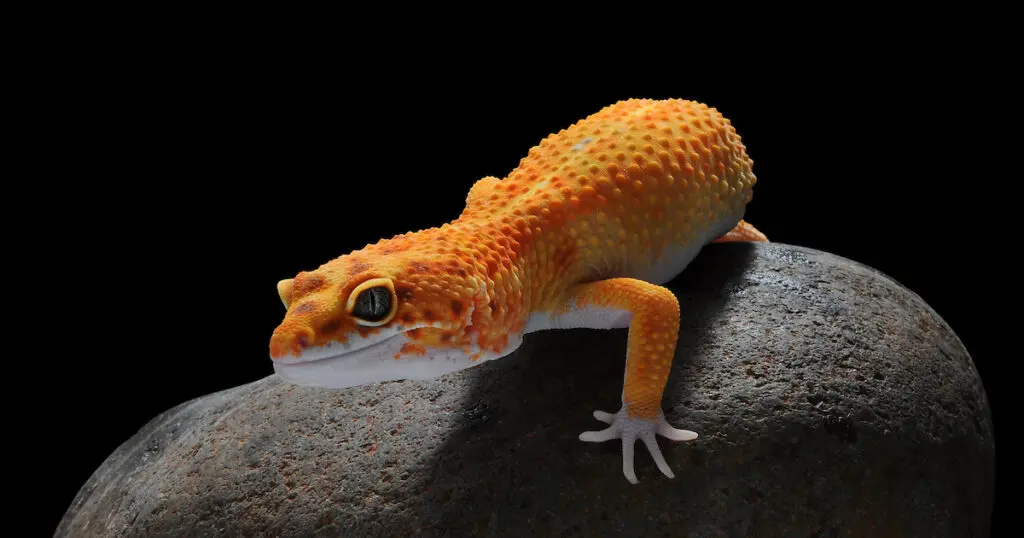
The belief that nocturnal animals don’t require UVB exposure has been a long-standing one in the world of reptile and amphibian care. The argument, “It’s nocturnal—it doesn’t need UVB,” has been a staple for many enthusiasts and breeders. However, recent scientific studies have begun to challenge this age-old notion, shedding light on the importance of UVB for all creatures, regardless of their diurnal patterns.

The Role of Visible Light in Reptile Biology
Home • Explore • Academy • Lighting • Understanding Ferguson Zones Visible light is essential to the survival and well-being of reptiles, influencing their vision, behavior, communication, and physiology. Understanding the role of visible light...
Vitamin D3 and Reptiles: A Vital Connection
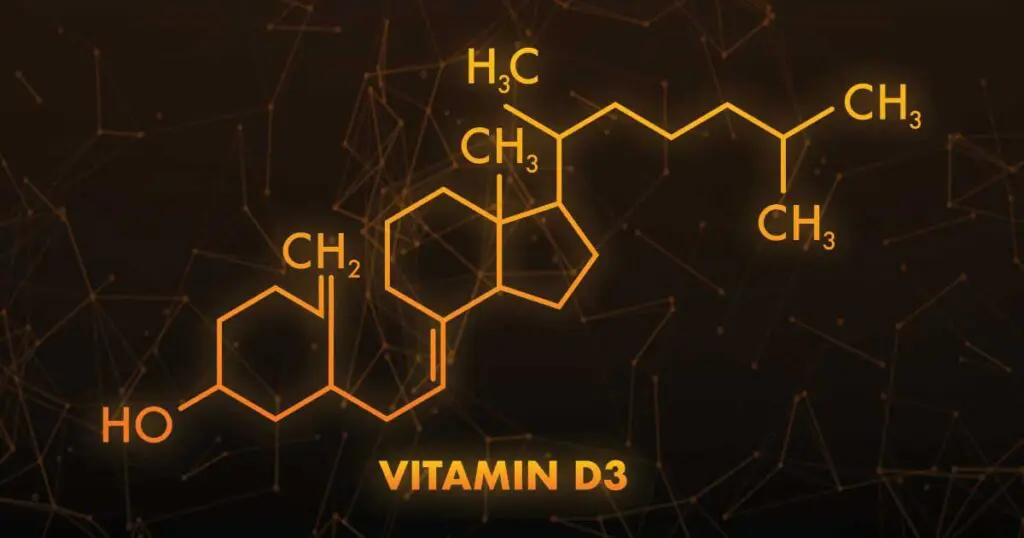
Vitamin D3 plays a vital role in the health and well-being of reptiles, much like it does in other animals. This hormone is integral to mineral metabolism and bone development in reptiles. One of its most significant roles is to enhance calcium absorption from the intestines. Without sufficient vitamin D3, reptiles couldn’t absorb dietary calcium efficiently, which is crucial for their skeletal health and overall well-being.

What is Light?
Sunlight arrives at the top of the earth’s atmosphere at a power level of about one kilowatt per square meter. It is by this energy that all life-processes on earth are ultimately driven. Without the sun’s constant energy input our planet would quickly radiate away its own energy in short order, making all life extinct.
What is UV-B?
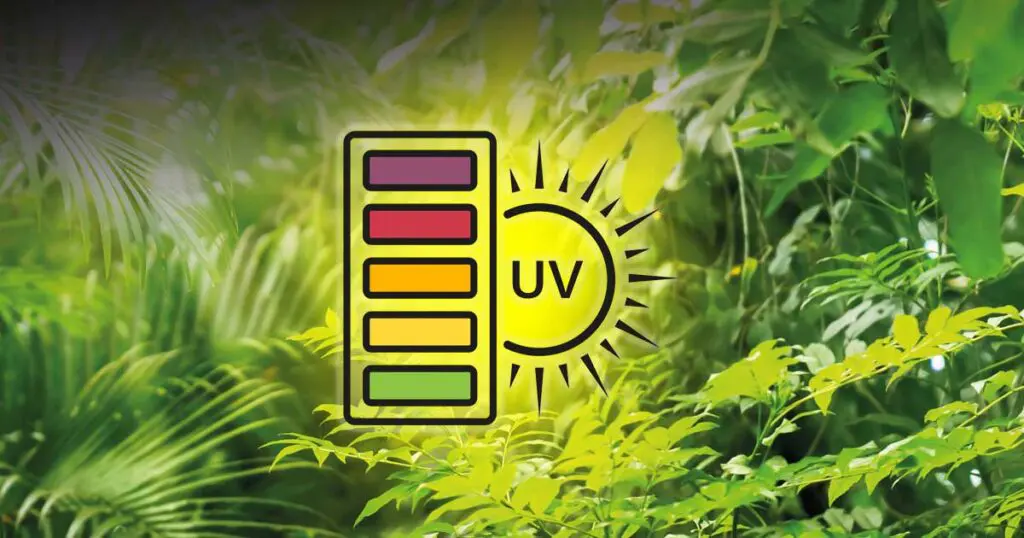
UV-B stands for Ultraviolet B radiation, which is a type of ultraviolet radiation present in sunlight. Ultraviolet or UV light is a high energy portion of the electromagnetic spectrum, just beyond visible light. The UV-spectrum is divided into three wavelength groups.
Stay up on all things exo terra.
"*" indicates required fields