

Panther Chameleons In Madagascar

Emmanuel Van Heygen
Panther Chameleons, scientifically referred to as Furcifer pardalis, belong to the Chamaeleonidae family and are a vivid illustration of nature’s complexity and beauty. Originating from Madagascar, they have not only remained endemic to its northern and northeastern regions but have also found a home on several neighboring islands like Nosy Bé, Nosy Mangabe, Nosy Boraha, Nosy Faly, Nosy Mitsio, Nosy Sakatia, Nosy Komba, and Nosy Tanikely. Historical records indicate that these chameleons were introduced to Réunion Island and, more recently, Mauritius, with the initial introduction dates back to somewhere between 1750 and 1836, most likely by sailors.

Sun-Exposed riverbanks are a typical biotope of Furcifer pardalis
The habitat preference of Panther Chameleons is quite specific yet diverse. They thrive in warm and humid environments, which makes lowland coastal forests, rainforest canopies, and secondary forests ideal for them.
Additionally, they are often found in human-altered landscapes like plantations, hotel gardens, home gardens, and even along planted fences. These habitats provide the necessary conditions for their survival, including adequate humidity, temperature, and vegetation for shelter and hunting. Panther Chameleons exhibit distinct sexual dimorphism, which means males and females differ significantly in size and color. Males are larger, growing up to 20 inches (about 50 cm) and displaying more vibrant colors along with a distinctive shovel-like projection on their nose. They also have more pronounced dorsal and gular crests. Females, in contrast, are smaller, typically reaching lengths of 8-10 inches (20-25 cm), and are less colorful. The differences are also apparent in their physical features such as the hemipenal bulge at the base of the male’s tail. These chameleons are diurnal and primarily arboreal, spending most of their time in trees. Their physical adaptations, including prehensile tails and feet specifically evolved for gripping, allow them to navigate their lofty environments with skill and precision. This arboreal lifestyle is crucial as it enables them to forage effectively and avoid ground-based predators.

Perfect spiral of a Panther Chameleon's tail (Nosy Be)
The habitat preference of Panther Chameleons is quite specific yet diverse. They thrive in warm and humid environments, which makes lowland coastal forests, rainforest canopies, and secondary forests ideal for them.
Additionally, they are often found in human-altered landscapes like plantations, hotel gardens, home gardens, and even along planted fences. These habitats provide the necessary conditions for their survival, including adequate humidity, temperature, and vegetation for shelter and hunting. Panther Chameleons exhibit distinct sexual dimorphism, which means males and females differ significantly in size and color. Males are larger, growing up to 20 inches (about 50 cm) and displaying more vibrant colors along with a distinctive shovel-like projection on their nose. They also have more pronounced dorsal and gular crests. Females, in contrast, are smaller, typically reaching lengths of 8-10 inches (20-25 cm), and are less colorful. The differences are also apparent in their physical features such as the hemipenal bulge at the base of the male’s tail. These chameleons are diurnal and primarily arboreal, spending most of their time in trees. Their physical adaptations, including prehensile tails and feet specifically evolved for gripping, allow them to navigate their lofty environments with skill and precision. This arboreal lifestyle is crucial as it enables them to forage effectively and avoid ground-based predators.

Furcifer pardalis from Ankify
The climate of their habitat plays a significant role in their life cycle and behaviors. Panther Chameleons live in an environment characterized by two main seasons: a lengthy rainy season from November through March and a dry season for the remaining months. Despite the dry season, the humidity rarely dips below 60%, with average daytime humidity reaching 70-75% during the rainy season. Temperatures are relatively stable yearround, averaging 75-82°F (24-28°C), although they can drop to 64°F (18°C) during the coldest months of June through August. The reproductive behavior of Panther Chameleons is closely tied to the rainy season. Mating typically occurs during this wet period, followed by a gestation period of about 5-6 weeks. Females then lay clutches of 20-30 eggs, which incubate until the next generation of chameleons is ready to hatch and begin their life cycle.
In conclusion, Panther Chameleons are a fascinating species with a rich ecological and geographical history. Their introduction to islands like Réunion and Mauritius highlights the complexities of human impact on wildlife distribution. Adaptable yet dependent on specific climatic and environmental conditions, Panther Chameleons continue to thrive in their native and introduced ranges, showcasing the adaptability and resilience of these chameleons.
Emmanuel Van Heygen

Furcifer pardalis from Nosy Boraha

Furcifer pardalis from Nosy Komba
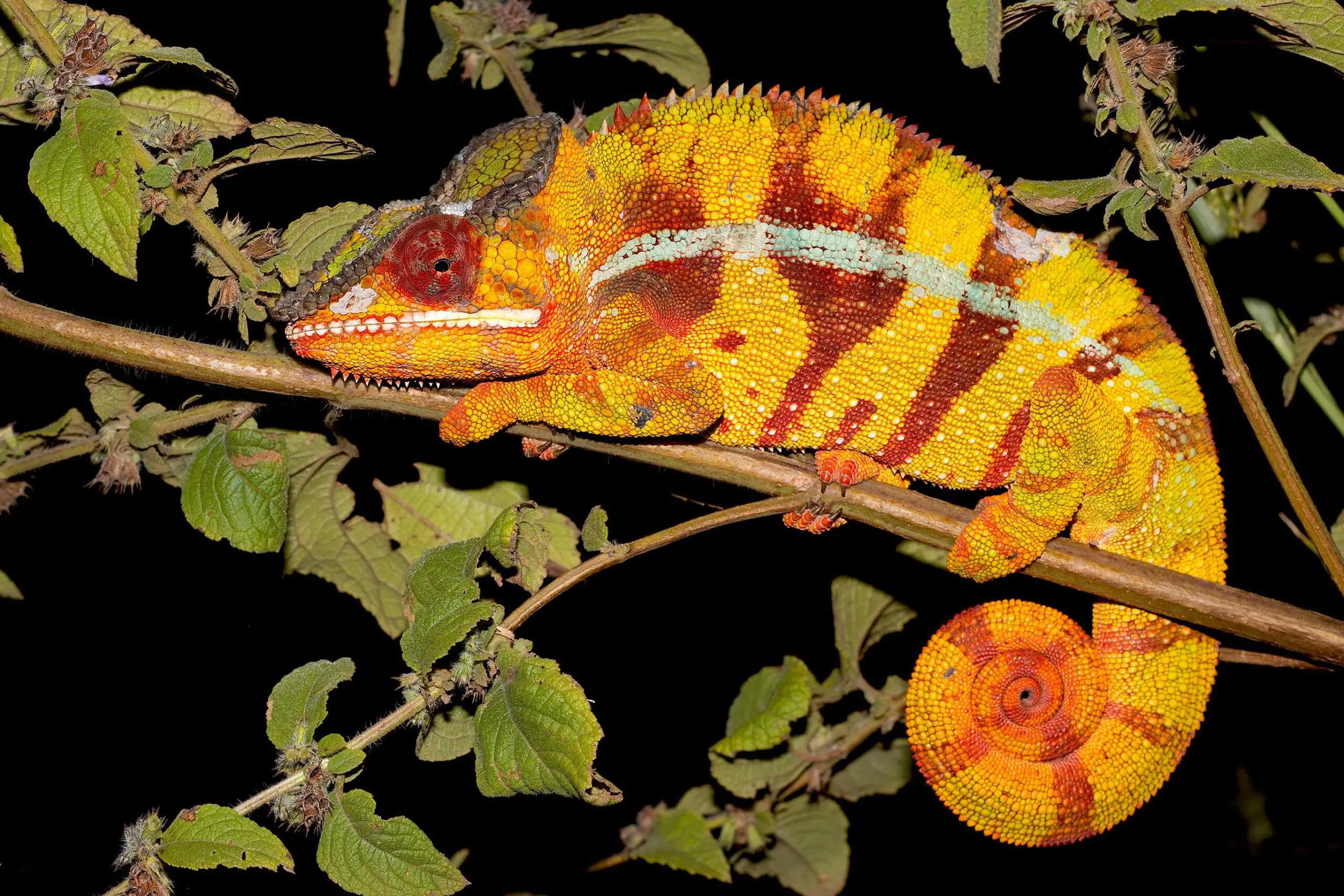
Furcifer pardalis from Joffreville, Montagne d'ambre

Gravid Furcifer pardalis female in typical coloration

The "Pink Panther", Furcifer pardalis from Djangoa, Sambirano

Furcifer pardalis from Ambanja
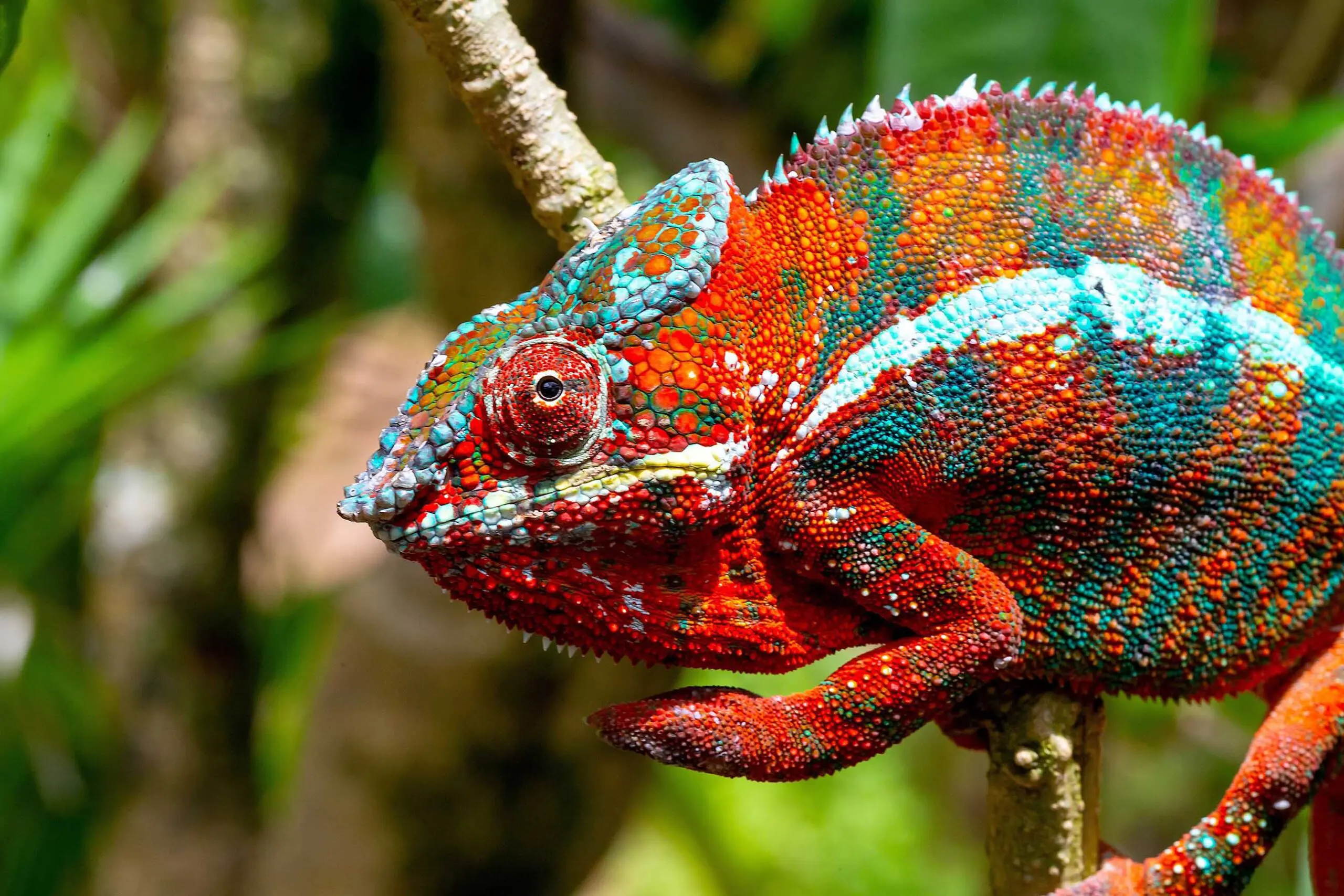
Furcifer pardalis from Ambilobe (Northwest Coast)

Furcifer pardalis from Lakandava (East Coast)
Madagascar Journals
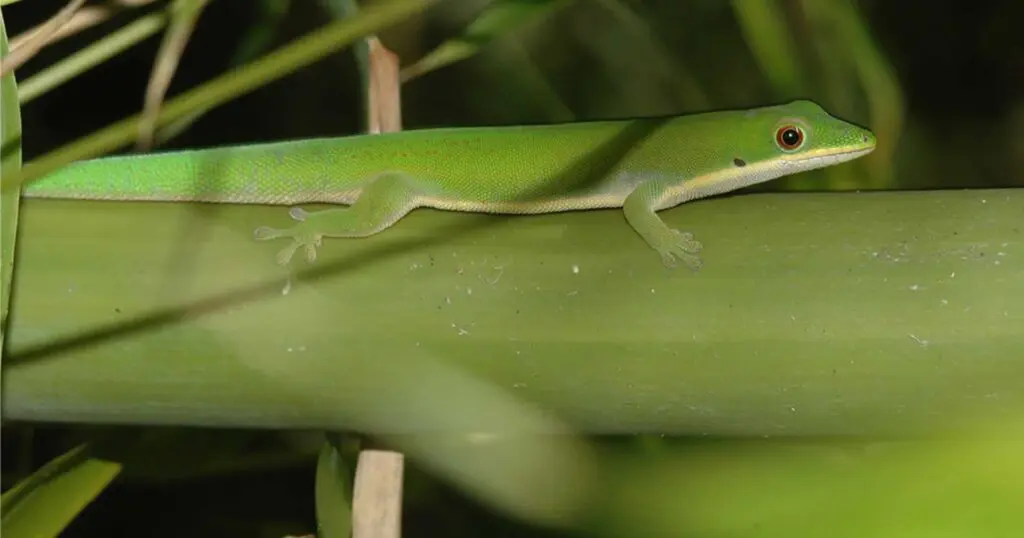
Discovery of a new Gecko
Madagascar, the land of mystique and wonder, has always been revered for its unparalleled biodiversity. Every step on this island is a testament to nature’s grandeur. And there, in the midst of the towering bamboo of Ampisindava, was our stage, where nature’s drama would unfold.
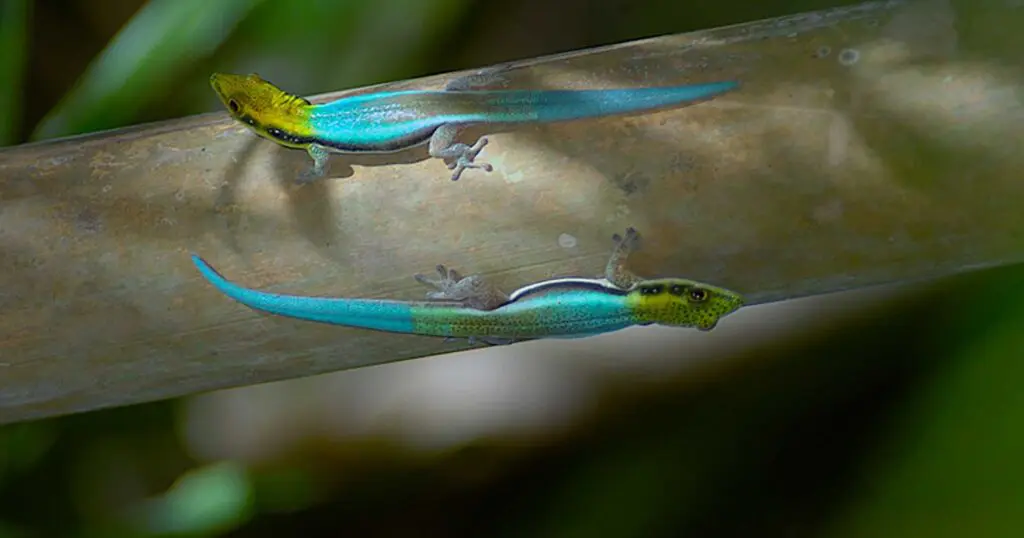
Jewels of the bamboo forest I
The day’s adventures guided us from Ankify to Ampopo, along the shores of the Ampasindava Peninsula. As we approached, dolphins frolicked near our boat, offering a spectacle of nature’s dance. The evening saw us under the open skies of Ampopo’s virgin beach, with a crackling campfire warding off nature’s nocturnal visitors.
Jewels of the bamboo forest II
With camp set up, our scientific endeavors began with the creation of pitfall traps to capture ground-dwelling reptiles and amphibians. Though a single tiny frog was all that was caught, the surrounding bamboo forests held more surprises.

Jewels of the bamboo forest III
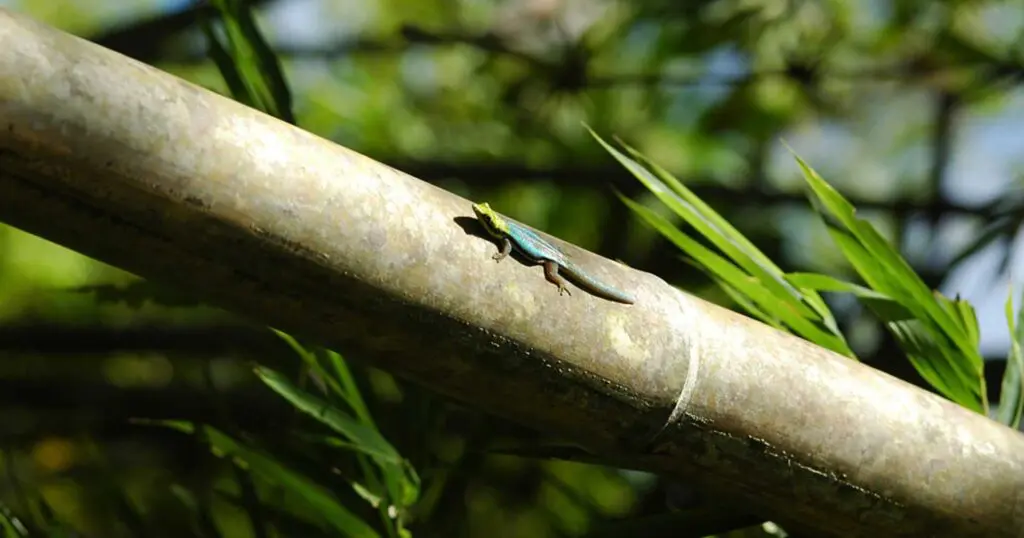
Once we reached the bamboo forests, we were again stunned by the density of day geckos. In the internal bamboo forests of the Ampasindava peninsular, Phelsuma vanheygeni is very common. It shares its habitat with Phelsuma klemmeri, Phelsuma seippi, Phelsuma laticauda and the bigger Phelsuma madagascariensis grandis. Phelsuma vanheygeni is one of the smaller day gecko species that is well adapted to living in bamboo.
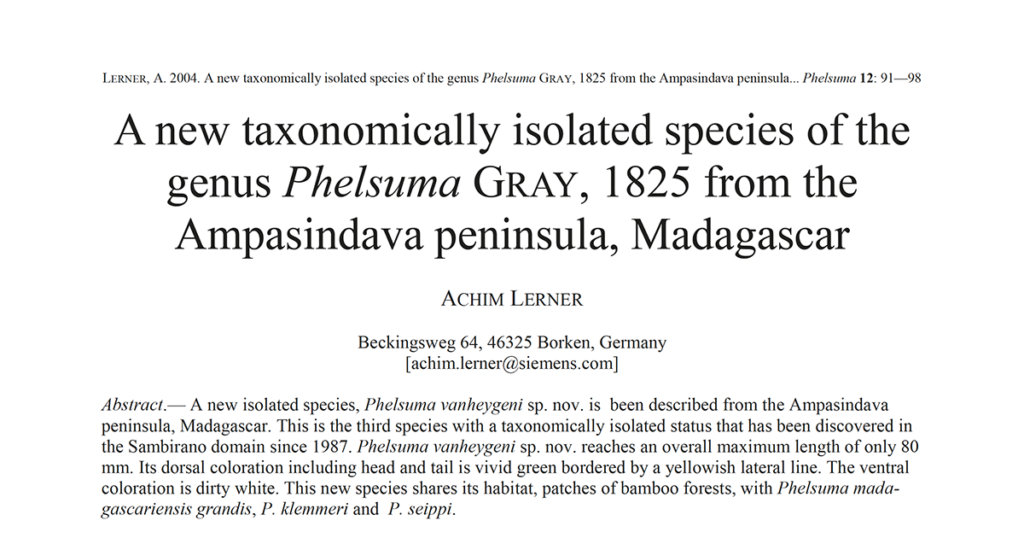
Phelsuma vanheygeni
Achim Lerner’s initial description of Phelsuma vanheygeni in the ‘Phelsuma’ journal, courtesy of the Nature Protection Trust of Seychelles.
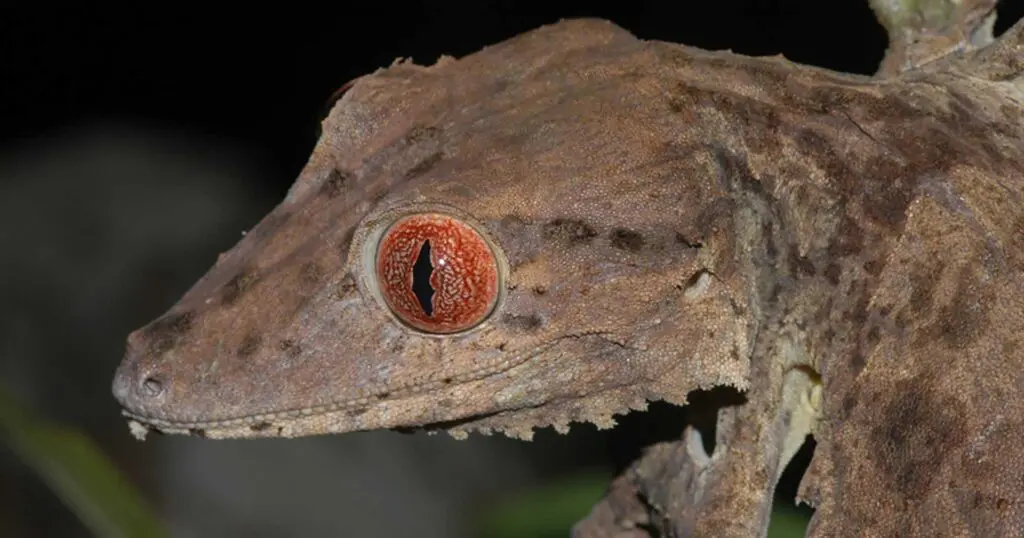
The Ampasindava Peninsula
The Exo Terra expedition left Paris for one of the remotest and inhospitable parts of the ‘Red Island’: Madagascar. It took the expedition team four flights, a 10-hour ocean trip and several hours by pirogue through the natural canals of the dense mangrove forests to finally install the first campsite. Although it was supposed to be the dry season, it wasn’t. Tents had to be erected in the pouring rain, and the team’s equipment was drenched. With everything soaked, the inside-out tent’s only remaining purpose was protection against the millions of biting mosquitoes. Madagascar is one of the world’s high-risk areas for Malaria, a mosquito-transmitted and often fatal disease.
Stay up on all things exo terra.
"*" indicates required fields